Turning 40 marks a significant milestone in a woman’s fitness journey. Your body begins experiencing hormonal shifts that can impact everything from metabolism to muscle mass. But this doesn’t mean slowing down—it means adapting your approach with smart, science-backed strategies.
The right fitness program can actually help you feel stronger and more energized than ever before. Let’s explore nine evidence-based strategies that work with your changing body, not against it.
Understanding Perimenopause and Its Impact on Fitness
Perimenopause typically begins in your 40s and brings fluctuating estrogen levels. These hormonal changes affect how your body responds to exercise, recovers from workouts, and maintains muscle mass.
During this transition, you might notice increased fatigue, joint stiffness, or changes in body composition. These are normal responses to shifting hormones, and the right exercise approach can help minimize these effects while supporting your overall health.
Understanding these changes empowers you to make informed decisions about your fitness routine. Rather than fighting against your body, you’ll learn to work with its natural rhythms and needs.
1. Strength Training Protocols for Maintaining Muscle Mass
Muscle mass naturally declines by 3-5% per decade after age 40, but strength training can significantly slow this process. Progressive resistance training becomes crucial for maintaining metabolic health and functional strength.
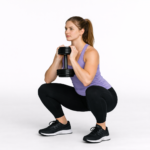
Start with compound movements that work multiple muscle groups simultaneously. Focus on exercises like squats, deadlifts, push-ups, and rows. These movements provide the most bang for your buck and mirror daily activities.
Begin with bodyweight exercises if you’re new to strength training. Progress gradually by adding resistance bands, dumbbells, or barbells as you build confidence and strength. Aim for 2-3 strength sessions per week, allowing at least one day of rest between sessions targeting the same muscle groups.
Key Strength Training Guidelines:
- Perform 8-12 repetitions per set for muscle building
- Complete 2-3 sets of each exercise
- Focus on proper form over heavy weights
- Progress gradually by increasing weight or repetitions
2. HIIT Workouts for Metabolic Health and Fat Loss
High-Intensity Interval Training (HIIT) offers powerful benefits for women over 40, particularly for metabolic health and body composition. These workouts alternate between intense effort and recovery periods, maximizing results in minimal time.
HIIT sessions can be as short as 15-20 minutes, making them perfect for busy schedules. The intense intervals boost your metabolism for hours after exercise, a phenomenon called excess post-exercise oxygen consumption (EPOC).
Start with a 1:2 work-to-rest ratio. For example, sprint for 30 seconds, then walk for 60 seconds. As your fitness improves, you can adjust these intervals or increase the intensity of your work periods.
Beginner HIIT Framework:
- 5-minute warm-up
- 6-8 intervals of 30 seconds work, 60 seconds rest
- 5-minute cool-down
- 2-3 sessions per week maximum
3. Sleep Optimization and Recovery Strategies
Quality sleep becomes increasingly important as hormonal changes can disrupt sleep patterns. Poor sleep negatively impacts recovery, hormone production, and exercise performance.
Establish a consistent sleep schedule and create an environment conducive to rest. Keep your bedroom cool, dark, and quiet. Avoid screens for at least an hour before bedtime, as blue light can interfere with melatonin production.
Consider incorporating gentle evening activities like stretching or meditation. These practices help signal to your body that it’s time to wind down and prepare for restorative sleep.
4. Strengthening Joints for Changing Bodies
As estrogen levels fluctuate, joint health can be affected—but the solution isn’t to avoid challenging your joints. Bones and joints actually need appropriate load and stress to maintain density and function. The key is strategic exercise selection and progression, not reduction.
Build Joint Resilience, Don’t Avoid It
Joint discomfort often stems from weakness, poor movement patterns, or inadequate warm-up rather than the exercise itself. Instead of immediately switching to easier modifications, address the underlying issue. Strengthen the muscles surrounding problem joints, improve your movement mechanics, and ensure you’re warming up properly.
Strategic Load Management
Rather than eliminating impact or reducing weights across the board, vary your training intensity throughout the week. Schedule higher-impact, heavier lifting on days when joints feel better. On stiffer days, maintain training intensity through different loading patterns—longer time under tension, isometric holds, or different angles—rather than simply doing less.
When Modification Makes Sense
Genuine joint modification should maintain or increase challenge while changing the stress pattern. Use resistance bands for accommodating resistance that’s easier at the most vulnerable joint angles. Try tempo training that increases muscle work without adding weight. Explore different equipment—kettlebells, dumbbells, or barbells—that allow better joint positioning for your body.
Intensity-Preserving Exercise Substitutions:

- Replace jumping jacks with kettlebell swings for cardiovascular demand through hip-hinge loading

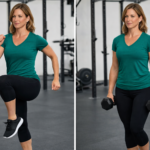
- Substitute high knees with rowing machine intervals or heavy farmer’s carries at a brisk pace
The goal is building joints that can handle life’s demands, not creating dependency on perpetually “gentle” movement that accelerates the very deterioration you’re trying to prevent.
5. Nutrition Timing for Hormone Balance and Energy
When you eat can be as important as what you eat, especially when supporting hormonal balance. Strategic nutrition timing helps optimize energy levels and supports your fitness goals.
Eat a balanced meal containing protein and carbohydrates within 2 hours after strength training. This combination supports muscle recovery and replenishes energy stores. According to research from the American College of Sports Medicine, post-workout nutrition plays a crucial role in adaptation and recovery.
Consider eating smaller, more frequent meals to help stabilize blood sugar and energy levels throughout the day. Include protein with each meal to support muscle maintenance and satiety.
6. Stress Management Through Movement and Mindfulness
Chronic stress elevates cortisol levels, which can interfere with other hormones and impact body composition. Incorporating mindful movement practices helps manage stress while supporting physical fitness.
Yoga combines physical activity with stress reduction techniques. Even 10-15 minutes of gentle yoga can help lower cortisol levels and improve flexibility. Focus on poses that feel good rather than pushing into uncomfortable positions.
Walking meditation offers another excellent stress-management tool. Take a slow, mindful walk while focusing on your breath and surroundings. This practice combines light physical activity with mental relaxation.
7. Building Bone Density to Prevent Osteoporosis
Declining estrogen levels increase the risk of bone loss, making bone-building exercises essential. Weight-bearing and resistance exercises stimulate bone formation and help maintain bone density.
Include weight-bearing activities like walking, hiking, or dancing in your routine. These exercises force your bones to work against gravity, stimulating bone-building cells called osteoblasts.
Resistance training provides additional bone-building benefits. Focus on exercises that load the spine, hips, and wrists—areas most susceptible to fractures. According to the National Osteoporosis Foundation, regular exercise can help prevent bone loss and reduce fracture risk.
8. Creating Sustainable Long-Term Fitness Habits
Sustainability trumps intensity when building lasting fitness habits. Focus on creating routines you can maintain consistently rather than pursuing extreme programs that lead to burnout.
Start small with just 10-15 minutes of daily movement. Gradually increase duration and intensity as these habits become automatic. Consistency beats perfection when it comes to long-term success.
Build flexibility into your routine by having backup plans for busy days. A 10-minute walk or stretching session counts as exercise and helps maintain your momentum.
9. Integrating All Elements for Maximum Success
The most effective approach combines all these strategies into a cohesive program. Create a weekly schedule that includes strength training, cardiovascular exercise, and recovery activities.
A sample week might include two strength training sessions, two moderate cardio sessions, one HIIT workout, and two active recovery days featuring yoga or gentle walking. Adjust this framework based on your schedule and preferences.
Listen to your body and be willing to modify your plan based on energy levels, sleep quality, and overall well-being. Some weeks you might need more recovery, while others allow for increased intensity.
Cost and Pricing Considerations
Effective fitness programs don’t require expensive gym memberships or equipment. Many women’s fitness programs for women over 40 can be implemented with minimal investment.
Budget-friendly options include bodyweight exercises, walking, and free online workout videos. A basic set of resistance bands costs $15-30 and provides versatile strength training options.
If you prefer professional guidance, group fitness classes typically cost $10-20 per session. Personal training ranges from $50-100 per hour but can provide valuable education and motivation during the initial learning phase.
Consider the long-term health benefits when evaluating costs. Preventive exercise programs often cost far less than treating health conditions that result from sedentary lifestyles.
Common Mistakes to Avoid
Many women over 40 make the mistake of doing too much cardio and not enough strength training. While cardiovascular exercise is important, resistance training becomes increasingly crucial for maintaining muscle mass and bone density.
Avoiding progressive overload is another common error. Your body needs increasing challenges to continue adapting and improving. Gradually increase weights, repetitions, or exercise duration to maintain progress.
Don’t ignore recovery and sleep in favor of more exercise. Your body needs adequate rest to adapt to training and maintain hormonal balance. More exercise isn’t always better, especially when you’re not recovering properly.
Comparing yourself to younger women or your past fitness level can lead to frustration and injury. Focus on your current capabilities and celebrate improvements relative to your starting point.
Essential Tips for Success
Track your workouts to monitor progress and maintain motivation. Record exercises, weights, repetitions, and how you felt during each session. This data helps you make informed adjustments to your program.
Find an accountability partner or join a supportive community. Having others who understand your journey provides motivation and encouragement during challenging times.
Prepare for hormonal fluctuations by adjusting workout intensity based on energy levels. Some days you might feel powerful and ready for intense training, while others call for gentler movement.
Invest in proper workout attire and supportive shoes. Comfortable, well-fitting gear can prevent injuries and make exercise more enjoyable.
Remember that consistency matters more than perfection. Missing one workout won’t derail your progress, but consistently skipping sessions will. Focus on showing up regularly, even when motivation is low.
Your Path Forward
Women’s fitness programs for women over 40 require thoughtful planning and patience, but the rewards extend far beyond physical appearance. You’re investing in bone health, metabolic function, mental well-being, and long-term independence.
Start with one or two strategies that resonate most with you. Master these approaches before adding additional elements to your routine. This gradual progression builds confidence and creates lasting habits.
Remember that your forties can be a time of incredible strength and vitality. With the right approach, you can feel more energized and capable than you did in your thirties. Your body is remarkably adaptable—give it the support it needs to thrive during this exciting phase of life.