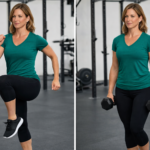
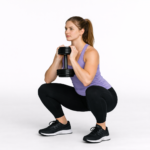
Training your core with an at home ab workout plan is more impactful than many realize—it can revolutionize your stability, posture, and self-assurance without requiring gym access or specialized equipment. When you prioritize regular practice, proper form, and tracking weekly gains, an at home ab workout plan becomes both accessible and effective. This guide establishes a structured pathway toward lasting stability, practical strength, and enhanced quality of life.
Developing core strength extends far beyond aesthetic goals. Your core enables essential daily activities including lifting objects, rotating your torso, walking, maintaining seated positions, and standing upright. An effective at home ab workout plan develops primary abdominal muscles while also addressing complementary areas like your lumbar region and hip flexors. Through deliberate breathing practices and enhanced body awareness, you’ll minimize injury risk and achieve greater movement efficiency.
This resource outlines straightforward, repeatable strategies across twelve key sections. The first nine cover the core progression steps, while three supplementary sections round out the complete framework. Each section contains two paragraphs designed to guide your advancement with purpose and understanding.
1 – Evaluating Your Current Fitness Level
Your at home ab workout plan should start with an accurate evaluation of your existing strength, range of motion, and breathing mechanics. Observe how long you maintain a proper plank position, whether any discomfort emerges during basic core contractions, and how steady your pelvis and spine remain during various postures. These insights allow you to customize difficulty appropriately for safe progression.
Resist the urge to measure yourself against others or social media benchmarks. Real progress means consistent incremental gains, not immediate mastery. Subtle improvements like requiring fewer rest periods or demonstrating cleaner form represent genuine achievements. When your at home ab workout plan aligns with your body’s individual requirements, you’ll sustain forward momentum with both strength and ease.
2 – Creating Your Weekly Exercise Structure
Your at home ab workout plan achieves optimal results when integrated into your regular weekly rhythm. Identify which days you’ll dedicate to core work and which you’ll reserve for recovery or alternative activities like walking, flexibility work, or light strength training. An excellent initial framework involves three core-focused sessions weekly, scaling upward as your capacity develops.
Maintaining a schedule provides structure while remaining adaptable. When life becomes demanding, even abbreviated sessions contribute meaningfully. The objective centers on building sustainable habits rather than imposing unrealistic expectations. Gradually, your body synchronizes with this consistent pattern of challenge and rest.
3 – Developing Effective Breathing Mechanics
Breathing technique during your at home ab workout plan affects muscle recruitment, energy efficiency, and spinal positioning. Concentrate on deliberate nasal breathing synchronized with lower abdominal engagement. Exhaling during demanding phases helps stabilize your trunk while managing rib position. This method activates deeper stabilizing muscles.
Intentional breathing also sharpens mental focus. As fatigue sets in, many practitioners unconsciously elevate their shoulders or stop breathing entirely, which undermines performance. Consciously maintaining rhythmic breathing restores both physical stability and mental composure throughout each movement.
4 – Perfecting Basic Plank Technique
The plank stands as one of the most productive exercises for any at home ab workout plan because it engages abdominal muscles without placing the spine under compressive stress. Strive for neutral body alignment from crown to heels, evenly distributing weight through your forearms. Multiple shorter intervals often prove more beneficial than attempting one extended hold.
After establishing foundational competence, you can introduce variations like alternating knee raises, shoulder touches, or lateral weight transfers. Each modification presents unique stability demands, training your body to maintain coordination even during dynamic circumstances.
5 – Advancing Through Crunch Variations
Incorporating measured crunch progressions into your at home ab workout plan develops upper abdominal strength while promoting proper spinal movement patterns. Execute movements deliberately, never straining your neck. Each contraction should originate from your abdominal wall, accompanied by steady breathing to sustain oxygen delivery.
Advancement options include alternating knee drives or overhead arm extensions to increase challenge without additional tools. Gradual escalation prevents overload and promotes healthier muscle adaptation over extended periods.
6 – Developing Rotational Strength
Rotational stability represents a crucial component of any comprehensive at home ab workout plan because your oblique muscles facilitate twisting actions and safeguard spinal integrity. Exercises including side planks, controlled torso rotations, or diagonal knee-to-elbow movements enhance coordination while activating deeper support structures.
These rotational exercises build confidence in your body’s capacity to manage authentic daily scenarios like reaching across your body or pivoting. Minor modifications to hand or foot placement generate substantial differences in muscle activation and difficulty level.
7 – Activating Deep Lower Abdominals
The lower abdominal zone demands focused attention in any at home ab workout plan. Movements such as controlled leg raises, reverse crunches, or measured alternating marches strengthen regions frequently underutilized in routine activities. Preserve contact between your lower back and the floor to prevent excessive arching and direct effort appropriately.
Initial lower abdominal work may feel demanding, but it becomes increasingly accessible through practice and precision. Regular training develops stamina, facilitating extended holds and smoother cooperation between hip flexors and core musculature.
8 – Reinforcing Hip and Spinal Support
While sometimes overlooked, hip and lumbar stability constitute essential elements of an effective at home ab workout plan. Glute bridges, quadruped opposite arm-leg extensions, and controlled hip hinge movements strengthen the muscles surrounding your pelvis to maintain alignment under stress. These patterns decrease strain and preserve core equilibrium.
Developing these supporting structures enhances the safety and effectiveness of other exercises. Emphasizing stability also helps maintain optimal spinal alignment during everyday activities, reducing fatigue and improving postural quality.
9 – Monitoring Progress Through Specific Metrics
Strength gains in your become more motivating when you document concrete improvements like increased repetitions or extended isometric holds. Reviewing weekly records or video documentation reveals technical refinements you might overlook during daily training. Visible progress sustains long-term dedication.
Documentation also clarifies when you’re prepared to increase intensity or experiment with novel movements. Steady advancement across months substantially reduces injury likelihood while supporting continued engagement.
Preparing Your Body With Effective Warm-Ups
Warm-up routines prepare your system for exertion, establishing healthy movement patterns before your at home ab workout plan begins. Light stepping movements, joint mobility sequences, and focused breathing exercises elevate tissue temperature while ensuring natural joint function. These preliminary actions enhance the quality of subsequent demanding exercises.
Bypassing warm-ups frequently results in restricted movement. Even brief five-minute preparation improves stability and decreases the probability of discomfort or tissue stress.
Incorporating Dynamic Balance Elements
Balance-focused challenges make your at home ab workout plan more practically applicable. Single-leg positions, controlled backward steps, or deliberate reaches develop responsiveness while maintaining core engagement. These additions provide a functional dimension to core strength that reflects authentic daily movement patterns.
Balance training conditions your muscles to respond to unexpected perturbations. You cultivate enhanced confidence, coordination, and the capacity to preserve alignment across diverse circumstances.
Concluding With Recovery-Focused Cool-Downs
Cool-down practices form an essential final component of your at home ab workout plan. Gentle stretching, relaxed breathing, and progressive relaxation restore nervous system equilibrium after physical demands. This transition enables muscle recovery while minimizing post-exercise soreness or tension.
Finishing gradually helps your body consolidate session adaptations. These calming minutes provide closure, making subsequent training sessions more inviting and sustainable.