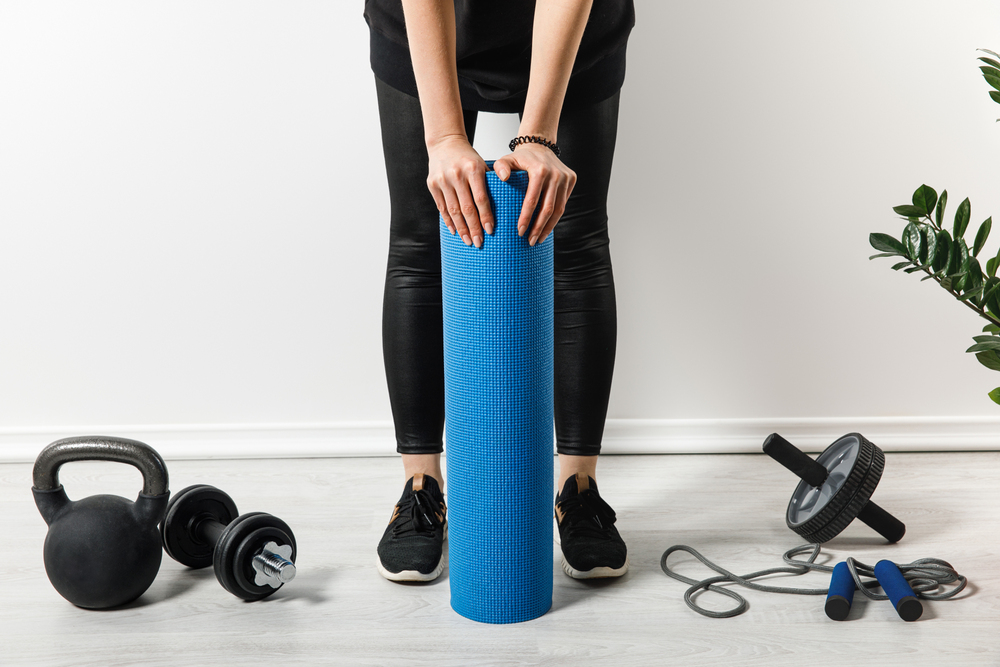
Home Workout Equipment and the Power of Consistency
Home workout equipment is transforming how people approach fitness, offering flexibility, privacy, and motivation. Whether you’re a beginner or an athlete, creating a space equipped for effective home workouts eliminates excuses and makes fitness more accessible. The beauty of home workout equipment lies in its ability to simplify exercise while delivering measurable results.
This guide explores six powerful ways home workout equipment can elevate your fitness game, from enhancing discipline to maximizing results through strategic training.
1. Building a Foundation of Commitment
The first and perhaps most essential benefit of home workout equipment is the establishment of a personal fitness environment. When your equipment is within reach, there’s no commute, no gym fees, and no waiting for machines. This convenience builds consistency—arguably the most critical factor in long-term fitness success.
Home workout equipment encourages daily routines and reduces reliance on external motivation. A designated workout space signals your brain to focus, helping you transition smoothly into training mode. Even small setups—like resistance bands, dumbbells, or mats—can reinforce the habit of showing up.
Consistency transforms exercise from a chore into a lifestyle. And with home workout equipment at your disposal, that transformation happens faster than you’d imagine.
2. Creating Adaptable Training Systems
The versatility of home workout equipment is unmatched. It allows you to adjust your training intensity, style, and schedule effortlessly. Whether your goal is strength, endurance, or mobility, your setup can evolve with you.
You might start with bodyweight routines and later integrate more advanced tools like kettlebells, pull-up bars, or suspension trainers. The ability to modify resistance, range of motion, and tempo enables progressive overload—essential for continual growth.
Moreover, home workout equipment supports hybrid programs. For instance, you can combine cardio circuits with strength training or add mobility sessions between work meetings. This adaptability makes your routine sustainable over time.
3. Elevating Efficiency and Focus
Time efficiency is one of the hidden advantages of home workout equipment. Without travel time or distractions, you can complete effective workouts in as little as 20 to 30 minutes.
This allows for greater focus. Every minute counts. Instead of navigating crowded gyms or social interruptions, you can channel energy directly into performance. Home workout equipment minimizes external friction, making it easier to concentrate on proper form and breathing.
Additionally, the convenience of home workout equipment supports consistency during unpredictable schedules. Late-night sessions, quick morning routines, or active breaks between meetings all become viable.
4. Supporting Mind-Body Integration
One underestimated benefit of home workout equipment is how it fosters mindfulness. Training in your own environment helps you tune into your body’s cues—how it moves, reacts, and recovers.
When you’re free from performance pressure, you can focus on breathwork, posture, and muscle engagement. The quiet rhythm of home exercise fosters deeper connection and awareness, enhancing not just your physical but also your mental resilience.
Home workout equipment creates an environment for introspection and progress tracking. Over time, this integration between mind and body becomes one of your strongest assets.
5. Achieving Long-Term Financial and Health ROI
While some might see home workout equipment as an expense, it’s more accurately an investment. The long-term savings are substantial. Gym memberships, fuel, and class fees add up over the years, while a one-time investment in quality home workout equipment yields ongoing benefits.
More importantly, the return on health is exponential. Regular use of home workout equipment reduces the risks associated with sedentary lifestyles—heart disease, obesity, and stress-related conditions.
Moreover, because your fitness setup is readily available, you’re more likely to train regularly, maintaining strength, endurance, and flexibility as you age. The long-term ROI extends beyond money—it’s about sustained vitality and confidence.
6. Empowering Independence and Control
Home workout equipment empowers autonomy. You control the pace, environment, and progression. There’s no waiting, no comparison, no intimidation—only focus and growth.
Owning your home workout equipment encourages experimentation and self-discovery. You can test new routines, adjust plans, and refine techniques without external judgment. This independence nurtures confidence and intrinsic motivation—the kind that sustains fitness journeys for decades.
Beyond physical strength, home workout equipment helps build mental fortitude. You learn discipline, resilience, and self-leadership—qualities that extend far beyond fitness into every area of life.
Structuring an Effective Routine Around Home Workout Equipment
To maximize results, consistency and structure are essential. A balanced home workout equipment routine might include:
-
Strength Days (2–3 per week): Focus on compound movements using resistance bands or adjustable weights.
-
Cardio and Mobility Days (2–3 per week): Use jump ropes, bodyweight circuits, or stationary bikes for endurance.
-
Active Recovery Days: Incorporate yoga mats, foam rollers, or light stretching to enhance flexibility.
Tracking your progress reinforces motivation. Simple logs or digital trackers can monitor reps, sets, and perceived effort—helping you fine-tune intensity.
Home workout equipment makes it possible to adapt routines to your life rather than the other way around. That flexibility keeps progress sustainable.
Common Mistakes to Avoid
Even with the best home workout equipment, results can plateau without strategy. Avoid these pitfalls:
-
Skipping Warm-Ups: Always prepare joints and muscles before training.
-
Neglecting Recovery: Home workout equipment makes daily exercise easy, but rest is vital.
-
Overcomplicating Equipment Choices: Start simple. Master fundamentals before expanding your setup.
-
Ignoring Form: Without mirrors or trainers, poor posture can slip in. Use video feedback or form guides.
Remember, the goal isn’t just owning home workout equipment—it’s using it with intention and consistency.
The Psychology of Home Workout Equipment
Fitness success depends as much on mindset as on mechanics. Having home workout equipment creates a visual reminder of your goals, strengthening the habit loop. Every visible piece of equipment becomes a cue for action.
This environmental design principle—popular in behavioral science—suggests that visible triggers lead to consistent habits. When your home workout equipment is accessible and organized, motivation becomes automatic.
Pairing this with short-term goals, such as “15 minutes daily,” helps reduce friction. Over time, these small wins compound into lasting fitness transformation.
The Future of Fitness Lies at Home
Technology and culture are converging toward personalized, accessible fitness. Home workout equipment continues to evolve—compact, digital, and data-driven.
Smart platforms now provide real-time feedback, AI coaching, and adaptive resistance. Yet even without advanced tools, the principles remain timeless: consistency, adaptability, and discipline.
As remote work and hybrid lifestyles grow, home workout equipment stands at the heart of wellness for the modern professional. It’s not just a trend—it’s a sustainable shift toward autonomy, balance, and lifelong fitness.
Conclusion
Home workout equipment represents freedom—the ability to train when you want, how you want, and for as long as you want. Its convenience removes excuses, its flexibility adapts to your goals, and its consistency builds results that last.
When you invest in home workout equipment, you’re not just buying tools—you’re building a mindset of self-reliance and growth. The transformation it enables extends beyond physical fitness—it empowers a more balanced, fulfilled life.
References
- National Institute on Aging (opens in new tab)