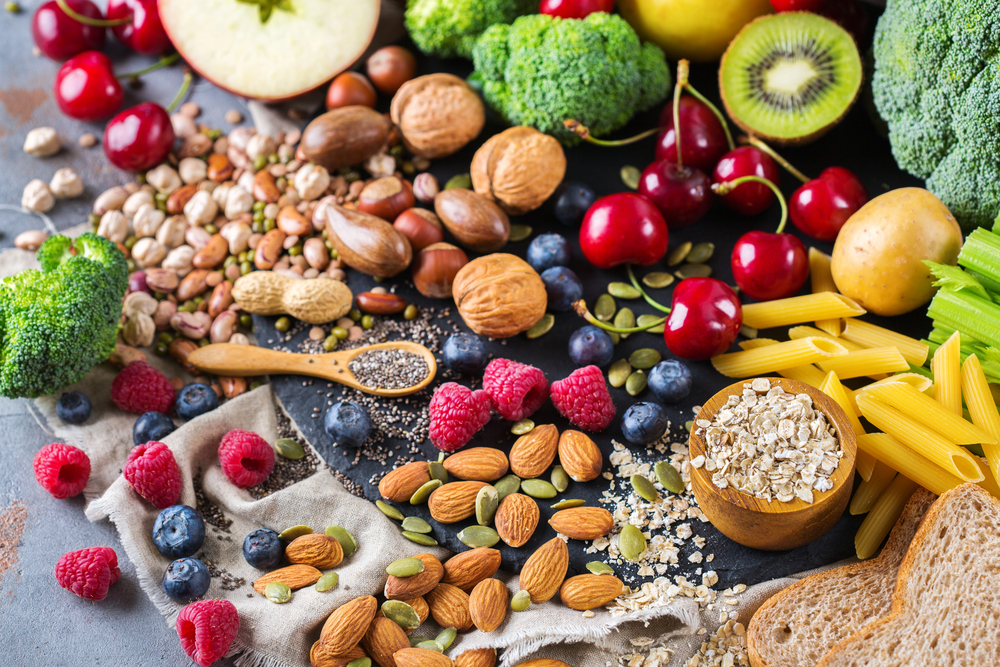
Vegan nutrition is more than just removing animal products; it is a way of eating that demands knowledge, planning, and awareness to keep the body strong and the mind energized. Many people turn to a vegan lifestyle for health, ethical, or environmental reasons, but without proper guidance, it can create more challenges than benefits. A well-balanced vegan diet can provide everything a person needs to thrive, yet small misunderstandings or poor choices can accumulate into real problems over time.
Vegan nutrition attracts people who want to improve long-term health, but success depends on avoiding common errors. When nutrients are repeatedly missed or mismanaged, fatigue, cravings, or unwanted health changes can begin to appear. Understanding exactly what your body needs, and how to supply it with plant-based foods, is the key to enjoying the positive results of a vegan lifestyle while steering clear of diet-related issues that might discourage progress.
1 – Ignoring Protein Quality
Vegan nutrition needs careful attention to protein sources. While many plants contain protein, not all provide the full spectrum of essential amino acids in quantities the body requires. People sometimes assume that simply eating beans or vegetables automatically covers daily protein needs, but this is not always true.
If protein intake remains too low or limited to only one or two types of plant foods, muscles may recover more slowly, immunity may weaken, and hunger may increase. Pairing foods like legumes with grains or seeds helps ensure the body receives the necessary building blocks to stay strong.
2 – Overlooking Vitamin B12
Vegan nutrition sometimes lacks reliable vitamin B12 because this nutrient is not naturally present in plant foods. B12 is essential for healthy nerves, red blood cell production, and cognitive function. Low levels build slowly and may not show symptoms until serious health complications have already developed.
To avoid deficiency, people on vegan diets typically rely on fortified foods or supplements. Without them, even those who feel healthy may eventually experience neurological changes, weakness, or anemia that could have been prevented with consistent intake.
3 – Not Getting Enough Iron
Vegan nutrition includes iron, but plant-based iron is harder for the body to absorb than iron from animal products. Even when meals appear iron-rich, absorption can remain low unless combined with foods that help the body use it effectively.
If iron levels drop too far, fatigue, shortness of breath, or pale skin can appear. Choosing legumes, tofu, pumpkin seeds, and dark leafy vegetables while adding vitamin C-rich foods like citrus or peppers increases absorption and supports steady energy.
4 – Insufficient Omega-3 Fatty Acids
Vegan nutrition can fall short in omega-3 fatty acids without mindful choices. These essential fats support the brain, heart, and inflammation regulation. While fish supplies a direct source of DHA and EPA, plant foods only provide ALA, which converts inefficiently into the forms the body uses most effectively.
Relying only on nuts or seeds without proper variety may lead to dryness of skin, mood imbalances, or slower recovery from exercise. Flaxseeds, chia seeds, walnuts, and algae-based supplements help fill this important nutritional gap.
5 – Relying on Ultra-Processed Vegan Foods
Vegan nutrition becomes less effective when meals rely heavily on packaged snacks, meat substitutes, and sugary treats. Although labeled vegan, these foods often contain excess sodium, unhealthy fats, or artificial additives that do not support wellness.
Too many of these choices can lead to unstable energy, digestive discomfort, and weight gain despite good intentions. Focusing on whole foods such as fruits, vegetables, lentils, and wholesome grains helps maintain stable nutrition and overall balance.
6 – Forgetting Calcium and Vitamin D
Vegan nutrition may provide less calcium and vitamin D unless fortified products or supplements are used. Calcium protects bones and teeth, while vitamin D helps the body absorb calcium and supports immune health. Many plant foods offer small amounts, but not enough to meet daily needs on their own.
Inadequate intake can slowly affect bone strength, making fractures more likely later in life. Including fortified plant milks, tofu prepared with calcium, leafy greens, and responsible sunlight exposure helps maintain strong bones.
7 – Poor Meal Balance and Planning
Vegan nutrition can become unbalanced when meals lack diversity. Eating the same foods repeatedly or skipping essential food groups may lead to nutrient gaps that affect mood, metabolism, and energy. A vegan plate should contain color, texture, and a thoughtful mix of proteins, healthy fats, and fibrous carbohydrates.
Without planning, people may rely on convenience foods or accidentally under-eat during busy days. Creating weekly meal plans and prepping ingredients ahead helps ensure nutritional needs are consistently met.
Fiber Excess Without Hydration
Although vegan nutrition excels in dietary fiber, dramatically increasing fiber without enough fluids can cause bloating, gas, or discomfort. Many new vegans feel frustrated by digestive issues that appear quickly after shifting food habits.
Gradual fiber increases paired with water-rich foods and adequate hydration relieve discomfort and train the digestive system to handle more plants smoothly over time.
Overconfidence in “Healthy” Labels
Food packages designed for vegan audiences often carry wellness-focused imagery, but vegan nutrition does not automatically improve just because an item excludes animal ingredients. Marketing can mask high levels of sugar, refined flours, or oils.
A mindful approach includes reading ingredient lists and recognizing that whole fruits, vegetables, and legumes play a greater role in health than packaged foods, no matter how attractive the label appears.
Lack of Iodine Awareness
Iodine supports thyroid function, yet vegan nutrition does not always include iodized salt or sea vegetables such as nori and kelp. When iodine remains too low, thyroid hormones may drop and slow metabolism.
Maintaining balanced intake through measured use of iodized salt or occasional seaweed encourages ongoing metabolic and hormonal stability.
Limited Zinc Availability
Zinc is present in beans, grains, nuts, and seeds, but compounds in plants can interfere with its absorption. Vegan nutrition can fall short if someone depends on refined grains instead of zinc-rich whole foods.
Roasting nuts, soaking beans, or sprouting seeds improves zinc bioavailability, supporting immunity and wound healing throughout the year.
Ignoring Personal Biofeedback
Everyone responds uniquely to dietary changes, and vegan nutrition requires self-awareness. If symptoms such as fatigue, brittle hair, or recurring illness appear, the solution may not be more willpower but reassessing nutritional balance.
Learning to track meals, monitor symptoms, and adjust food choices or supplement use helps ensure long-term success without sacrificing well-being or enthusiasm.